Zarya
AI-powered freight document processing.
What Zarya does.
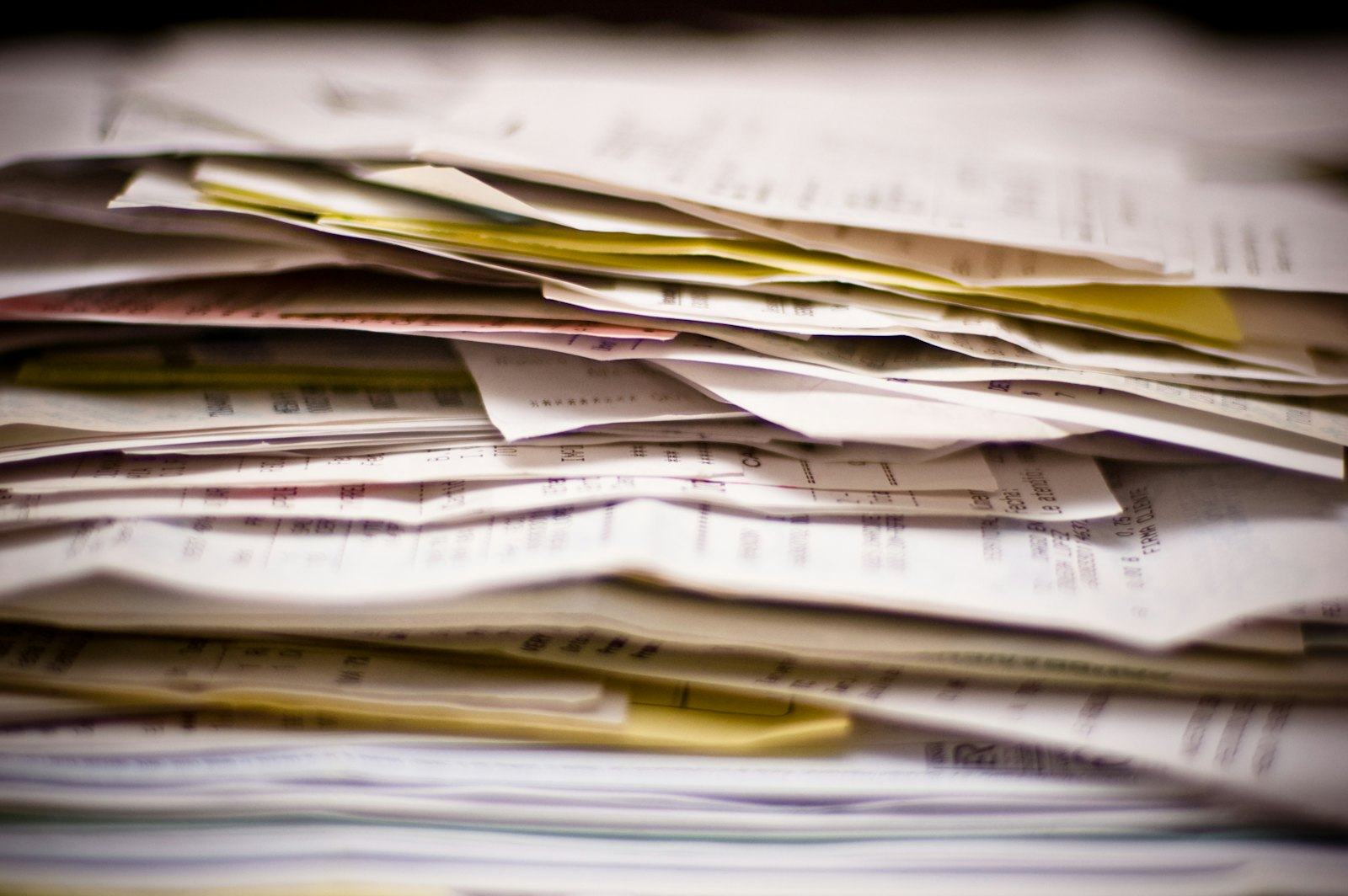
Extracts, validates and routes the paperwork behind every freight shipment: bills of lading, customs declarations, packing lists, certificates of origin. It reads any format, matches it against the shipment record, and flags discrepancies before they hold a container at port.
| Detail | Value |
|---|---|
| Stage | Seed |
| Category | Applied AI |
| Year | 2026 |
| Website | zarya.ai |
| Measured by | Documents processed per month, error-detection rate, time saved per shipment versus manual review. |
The thesis behind Zarya.
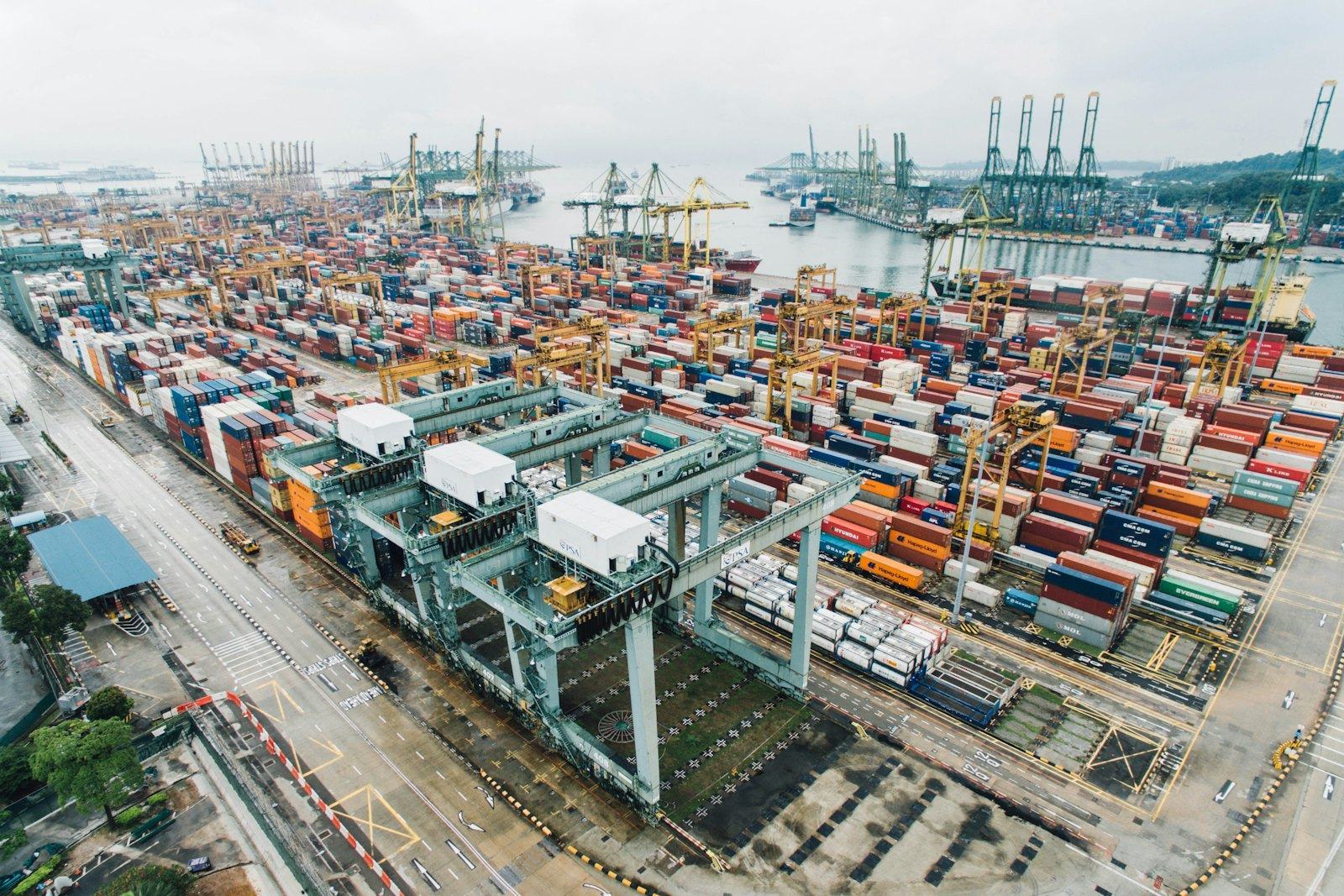
Freight documentation scales with trade volume, and Pakistan is a major origin for textiles, rice and surgical instruments. Every container leaving Karachi carries a stack of paper someone must read, compare and approve. Zarya automates the comparison.
Three years building document-extraction pipelines as a service for Gulf logistics firms. They productised the most repeatable part, and the first paying customers are the same firms that used to hire them by the hour.
Who is building it
Karachi-based: a machine-learning engineer who built OCR for a Gulf bank, and a logistics operator who ran customs brokerage for one of Pakistan's largest freight forwarders.
Building something similar?
Building in Applied AI? We want to hear about it.